Description of the project idea from a photographic perspective
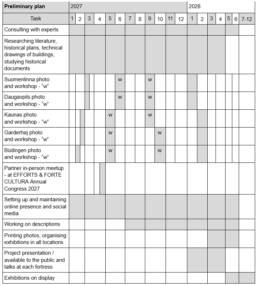
Timeframe: January 2027 – December 2028
For the first time, an art project brings together Nordic, Baltic, and German fortifications into one story.
This light-painting photography project explores shared European heritage through fortifications in five countries (Finland, Denmark, Latvia, Lithuania, Germany), spanning three stages of fortification evolution: castle, bastion fortress, and fort fortress. These sites are often labelled simply “Swedish” or “Russian” — a framing that can mislead or feed misinformation. This project shows that they are first of all European fortresses, shaped by centuries of exchange across nations and cultures, with roots reaching the ancient world.
Using light-painting in darkness, the photographer will visually reconstruct lost buildings, forgotten functions, and shared features across sites. Darkness symbolises the unknown; light becomes rediscovery. The photographer controls what is highlighted but cannot see the result until the exposure completes. This type of photography requires a lot of research beforehand, scouting the photography site and hands-on crafting of cutouts for light stencils that will eventually be illuminated by the photographer using a flashlight, producing small imperfections that set the work apart from today’s AI-generated imagery. Each photograph will carry expert-verified historical descriptions and be shown in exhibitions at each site, plus ongoing online sharing. Exhibitions are planned for 2028.
The project also explores the language dimension of military heritage. Fortification terminology is built on loanwords still used today, echoing a common European cultural space — e.g. masonry wall: Latvian “mūris”, Finnish “muuri”, Swedish “mur”, German “Mauer”. I will also touch on the older connection of loanword links between Baltic and Finnic languages, shaped by millennia-old contacts and resulting in hundreds of loanwords between these unrelated language groups.
With the help of local fortress administrations, I will hold light-painting workshops for interested people at each location; therefore, workshop participants will help highlight new perspectives on historical facts too.
Photographer’s background
After years of working as a tourist guide at Daugavpils Fortress, I sometimes heard visitors insist that fortresses like this couldn’t have been built by the people of that time – stories about lost civilisations, or about one nation alone deserving credit for the whole structure. This project grew out of those conversations. I want to show that these sites are amazing without any fantastical stories: they are the result of real historical cooperation and the exchange of knowledge across Europe, and that is something everyone connected to these places can be proud of, regardless of which empire originally paid for the construction. With the help of the local organisations at each site, and through cooperation between them, I will carry out this project and facilitate the resilience of societies against misinformation and conspiracy theories.
Artist’s statement
In my photography, I document and research the cultural and historical aspects of urban, military, and industrial heritage, and strive to understand their broader geographical and historical context. I try to convey my excitement about these places and evoke a sense of discovery and exploration via long exposure and light-painting techniques, showing textures, dimensions and details.
Since childhood, captivated by the interplay of light and shadow and the thrill of discovery, I’ve been drawn to exploring dark, abandoned spaces and have become fascinated by the largest historical site in my hometown – 19th-century Daugavpils Fortress. It inspired me to learn more about architecture, the history of the region, and military heritage in Europe. I became an expert on Daugavpils Fortress and worked there as a guide and, together with a colleague, published a Dictionary of Fortification Terms in 2018. In 2011, I started a personal before/after photo project – Changing Fortress– comparing historical views of the Fortress to today and tracking changes. From 2009 to 2015, I actively engaged in urban exploration, visiting and photographing abandoned sites across Latvia, which were often underground facilities with no natural light. This interest culminated in my photo exhibition Ghosts in 2014. Photography for me became a medium for learning about history and architecture, documenting it, and sharing my views of the beauty of decay and the passage of time.
I see darkness as a tool to emphasize the beauty and uncover the secrets of forgotten places. Through my photography, I seek to understand interactions between local and regional culture and history, offering viewers a unique glimpse into aspects of heritage through the artefacts and details of architecture, and prompting reflection on contemporary events.
Photography process
As the main medium, the project uses light-painting photography, bringing together historical information, linguistic connections and people’s stories and experiences.
Contrary to modern-day AI slop, this project creates digital photography that often requires considerable research and preparation beforehand – studying documents, creating cutouts, exploring the surrounding landscapes to find photo locations, and, besides classic light-painting techniques, often involves drawing and crafting lost elements.
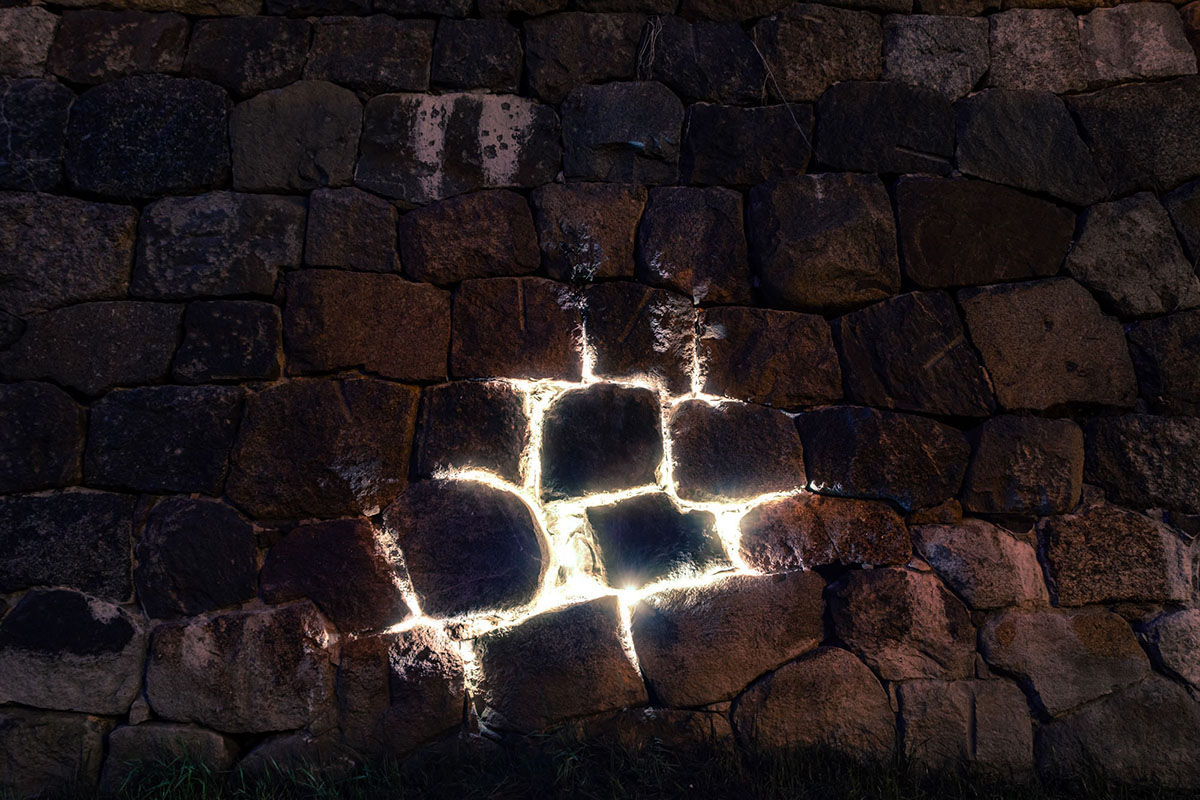
The original cement between the blocks of the scarp wall has eroded away, and in some places stones have begun to fall out, revealing arched brick structures resembling casemates or tunnels, inspiring urban legends about hidden rooms and treasures inside the ramparts.
Experts know the actual structure of the ramparts: the granite scarp is supported by brick arches buried into the rampart, but stories persist despite the evidence.
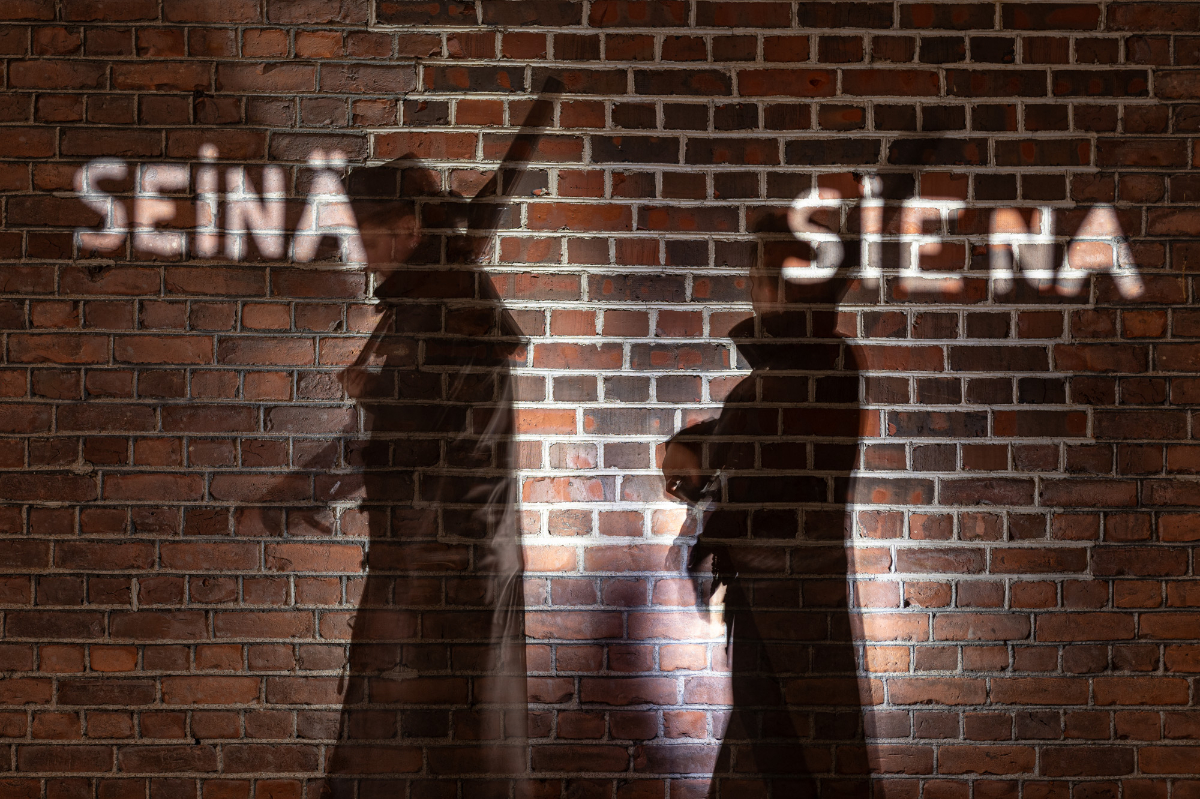
Finnish soldiers in Daugavpils fortress and Latvian soldiers in Suomenlinna serving in 19th and beginning of 20th century might have heard words similar to their mother tongue being spoken by local population – a result of millennia old contacts, trade and mixed families between Finnic and Baltic peoples.
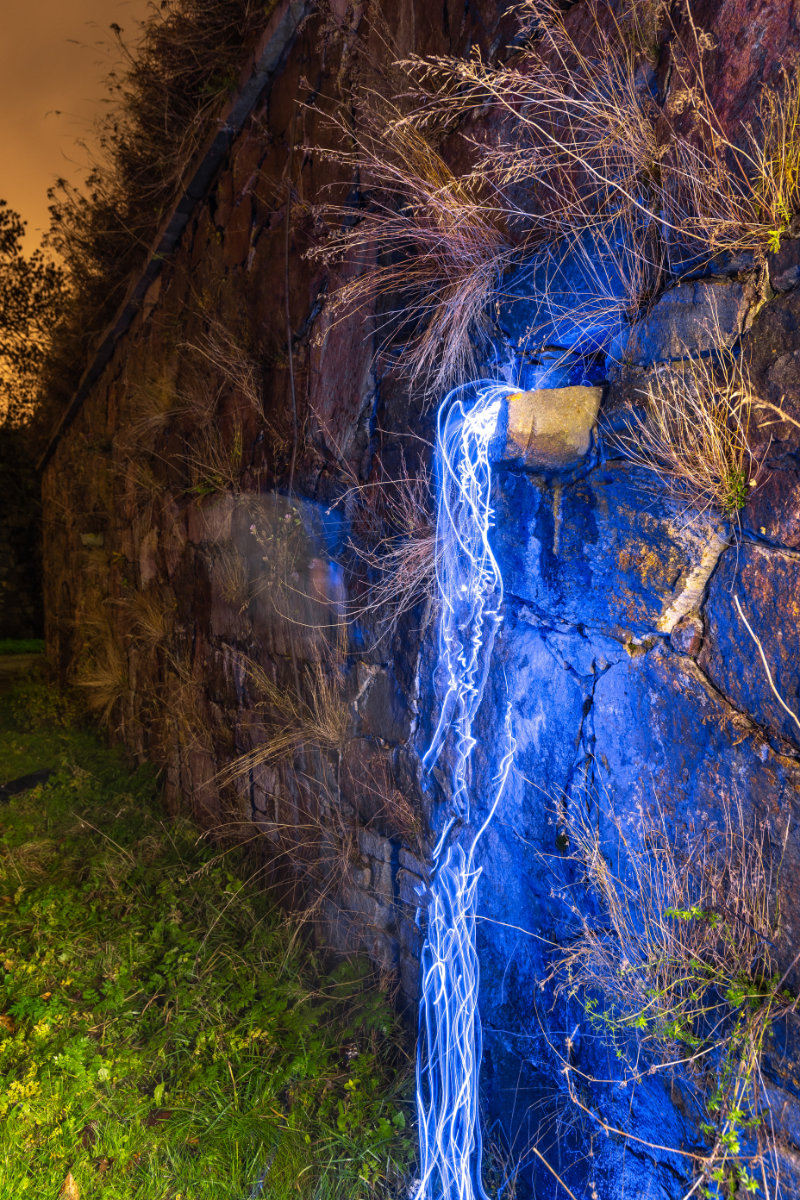
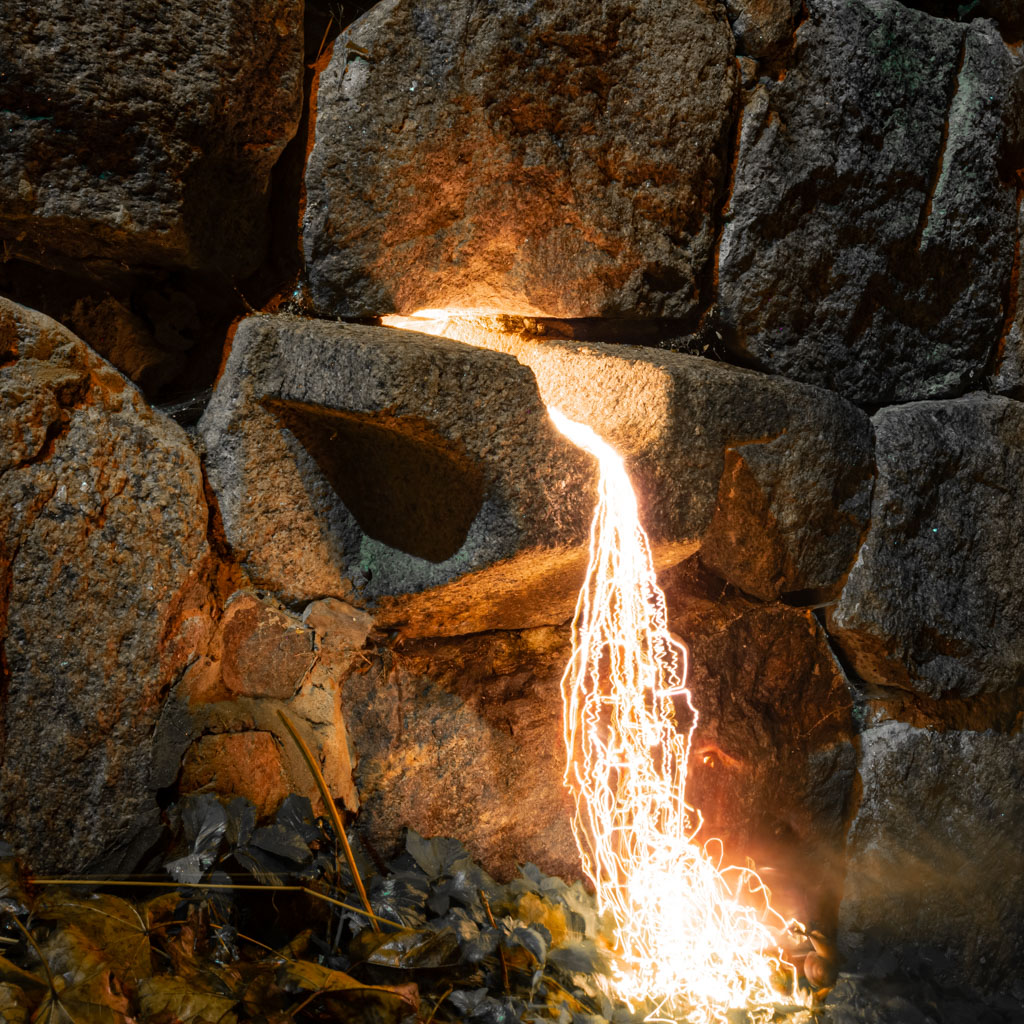
Many visitors to the fortresses wonder: what are these carefully carved granite openings found throughout the ramparts and defensive structures of Suomenlinna Fortress?.
The main idea is to get rid of as much moisture in the walls of the fortifications as possible, so that the structures do not retain too much water in winter, when ice would expand and could damage the granite scarp or masonry.
Similar ventilation/drainage openings are present in many bastion fortresses and older fortifications elsewhere in the world, including Daugavpils Fortress
Photography process. Creation of the light-stencil photography, based on existing historic photograph.
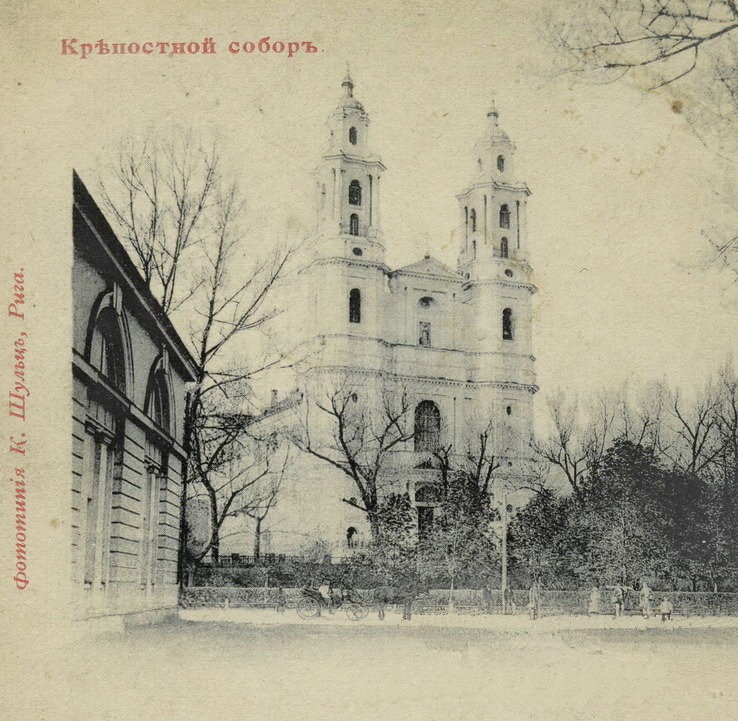
Reference photo for the light-painting stencil of the destroyed church
Church in Daugavpils Fortress. Photo from the end of the 19th- beginning of the 20th century.
Source: https://www.facebook.com/RetroDaugavpils/photos
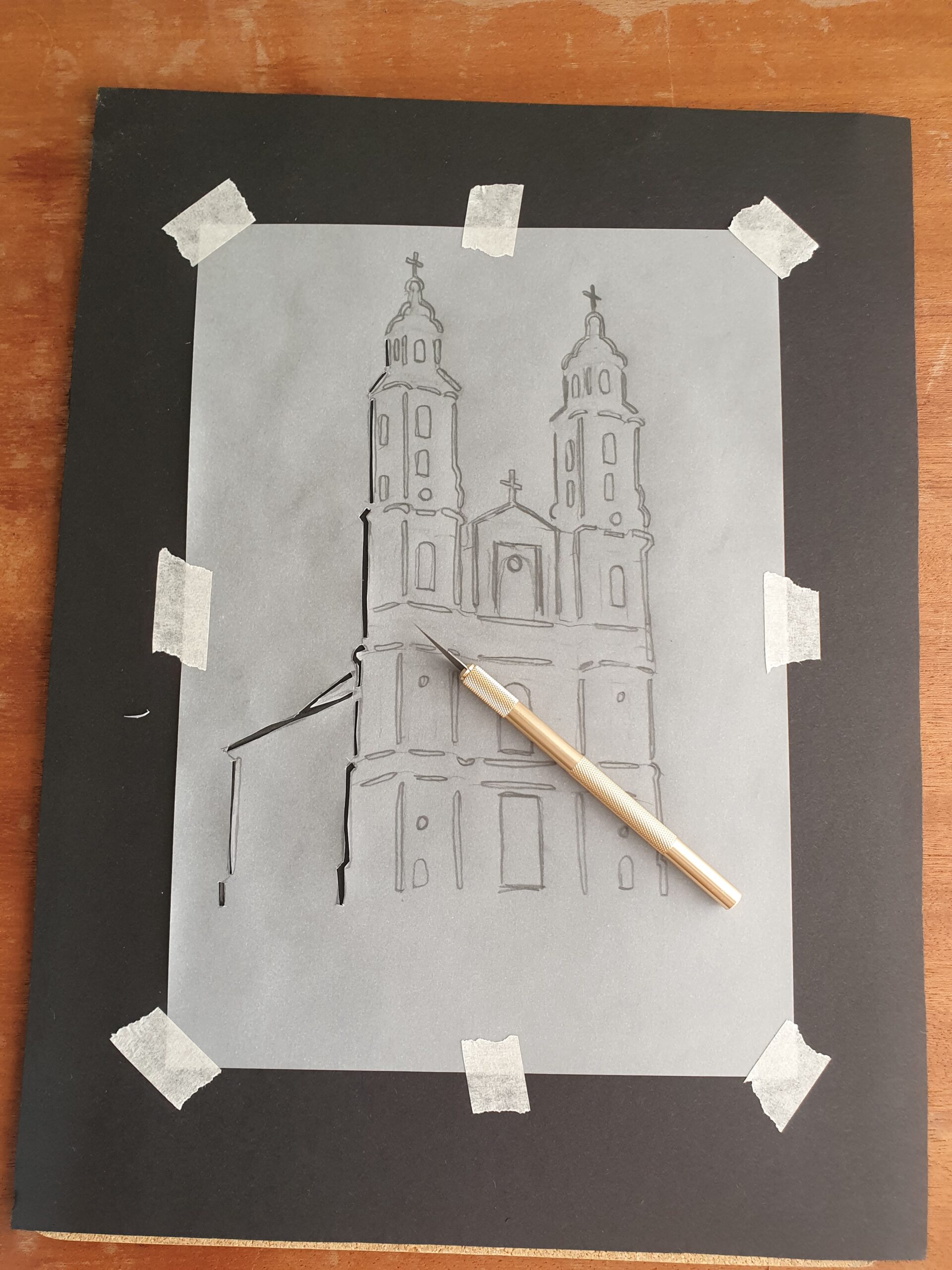
Cutting out of the stencil
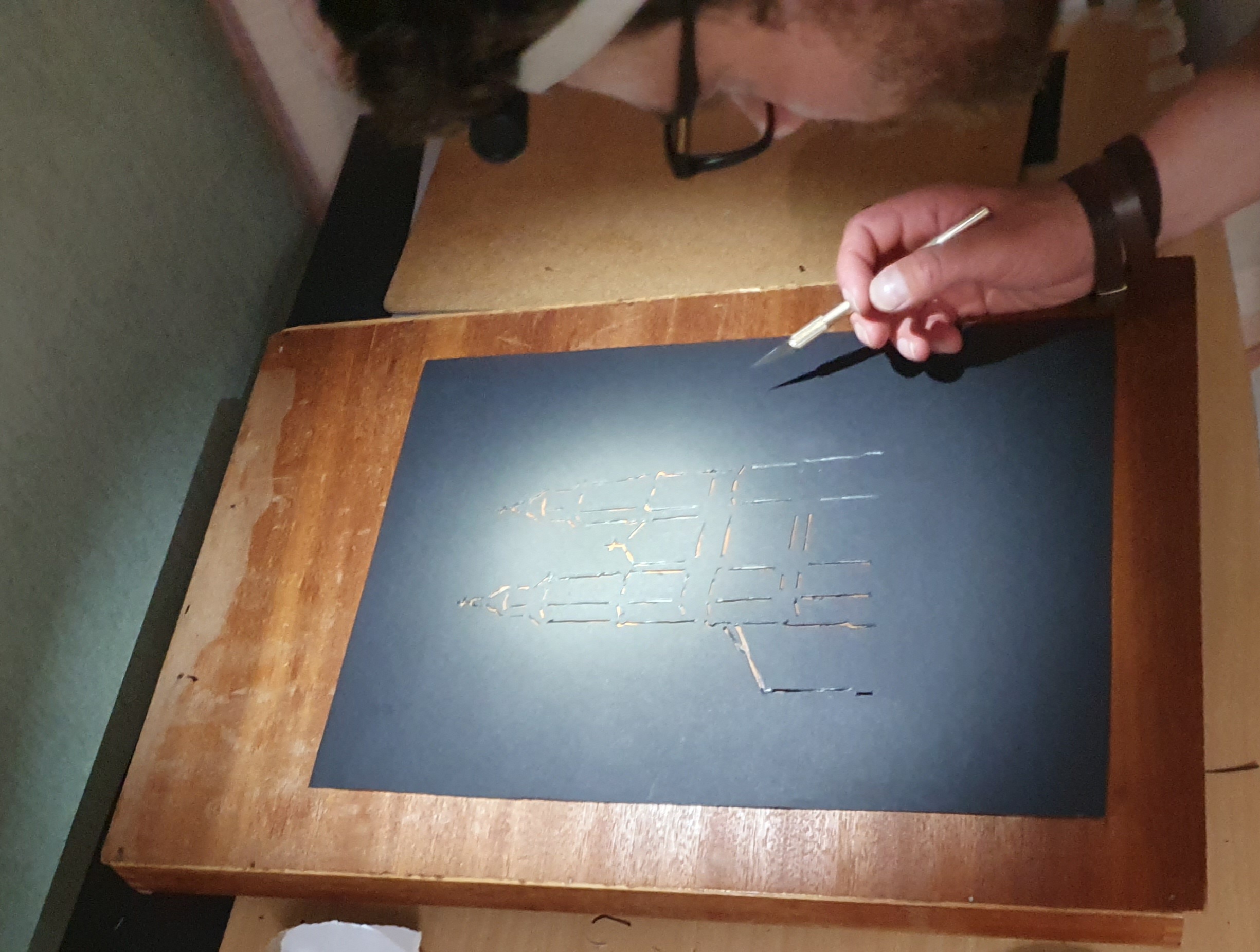
Cutting out of the stencil
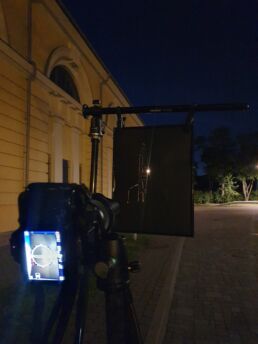
Light-stencil setup at the location
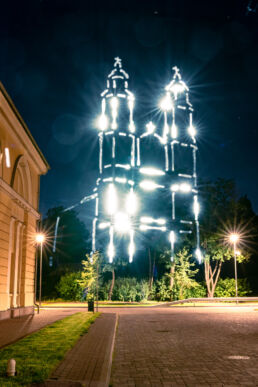
Resulting Light-painted photogrpah.
“Memory of the destroyed church”, 2025.
Light painting (light stencil) photography. Digital photo, 3712 x 5568 px.
Photography process. Recreating lost Thunberg's windmill at Suomenlinna in light-stencil photography through research of historical information and museum materials
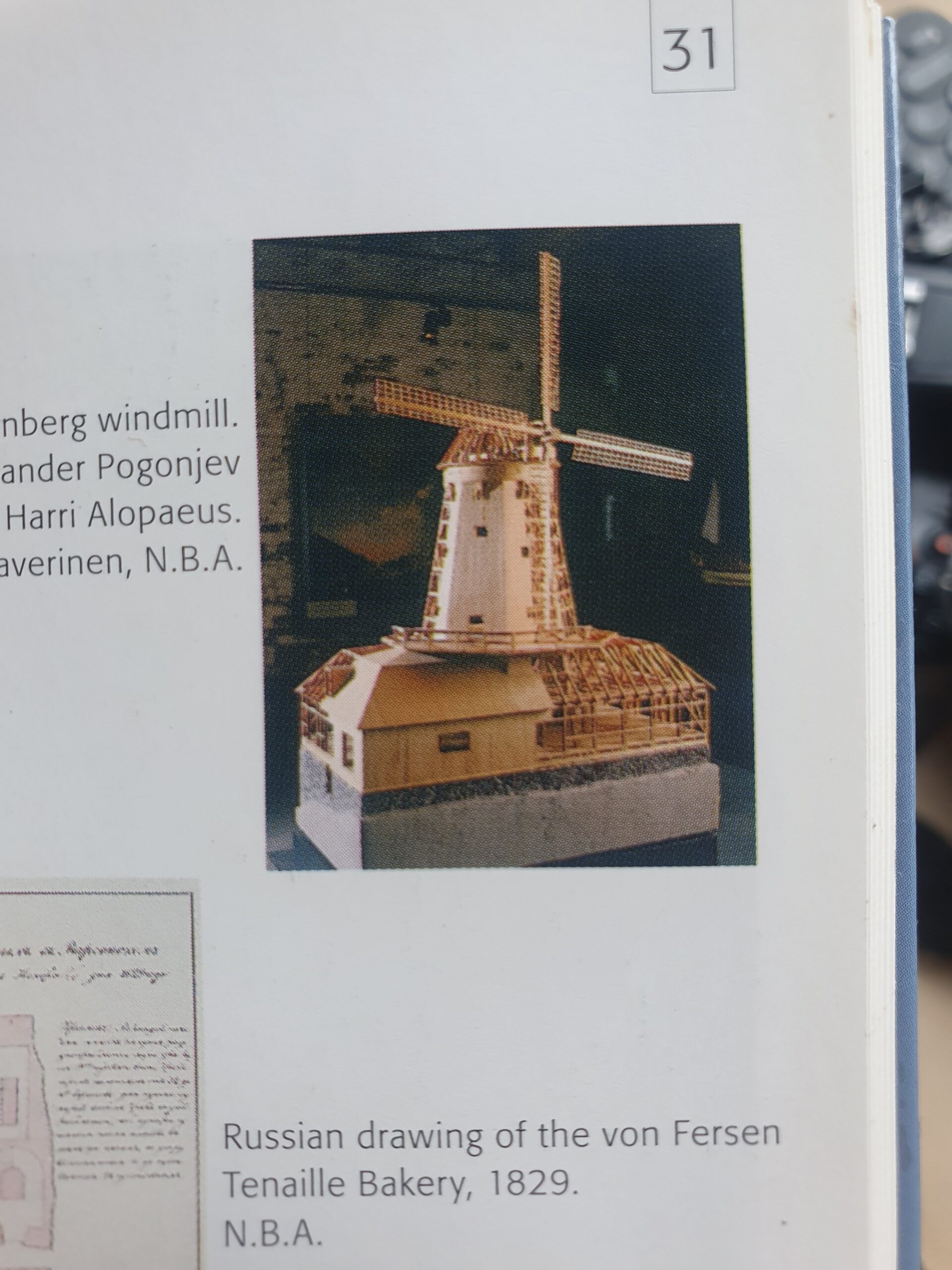
Studying the apearence of the historical Thunberg’s windmill model at Suomenlinna Fortress, Finland
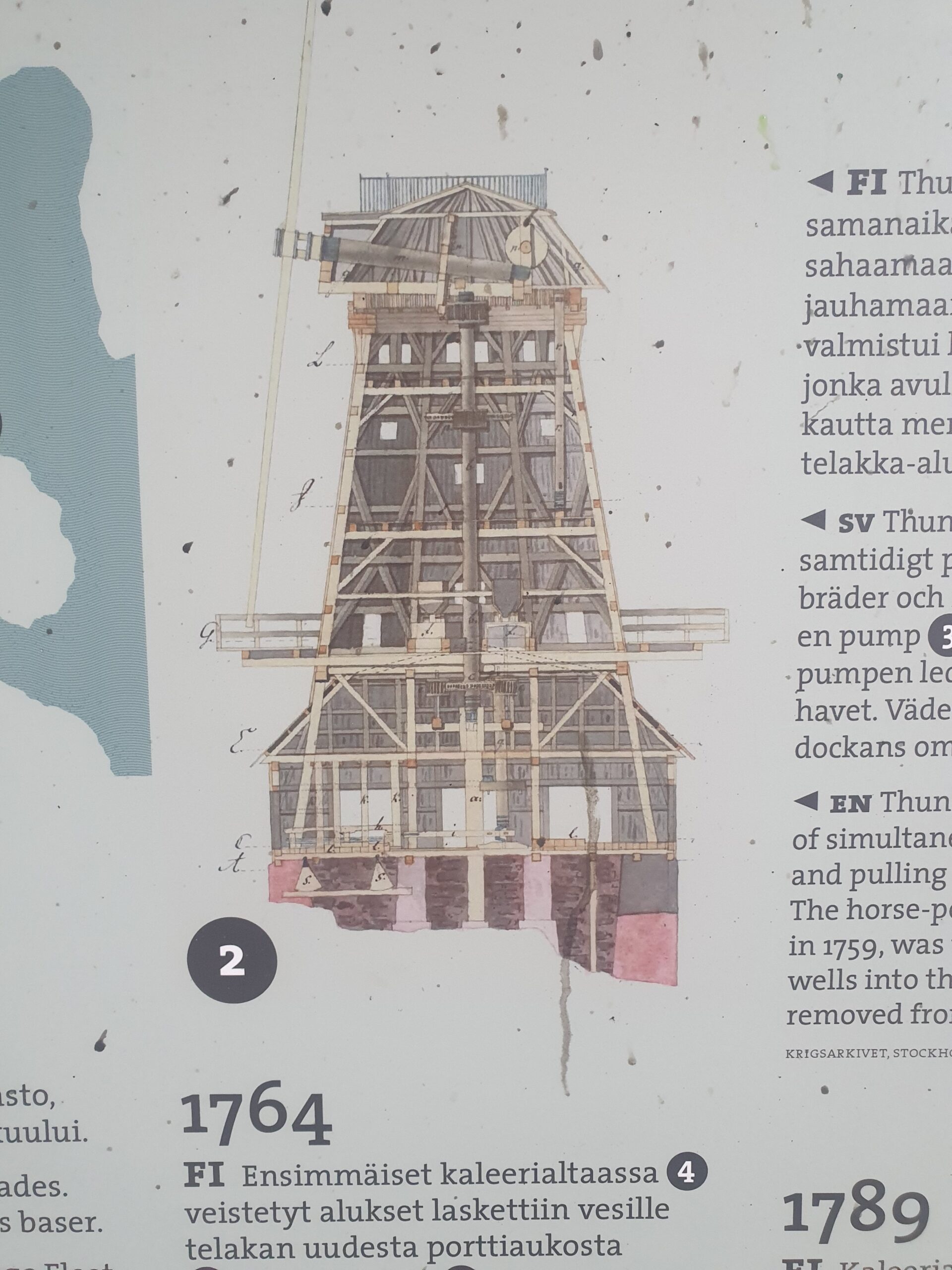
Studying the structure of the Thunberg’s windmill
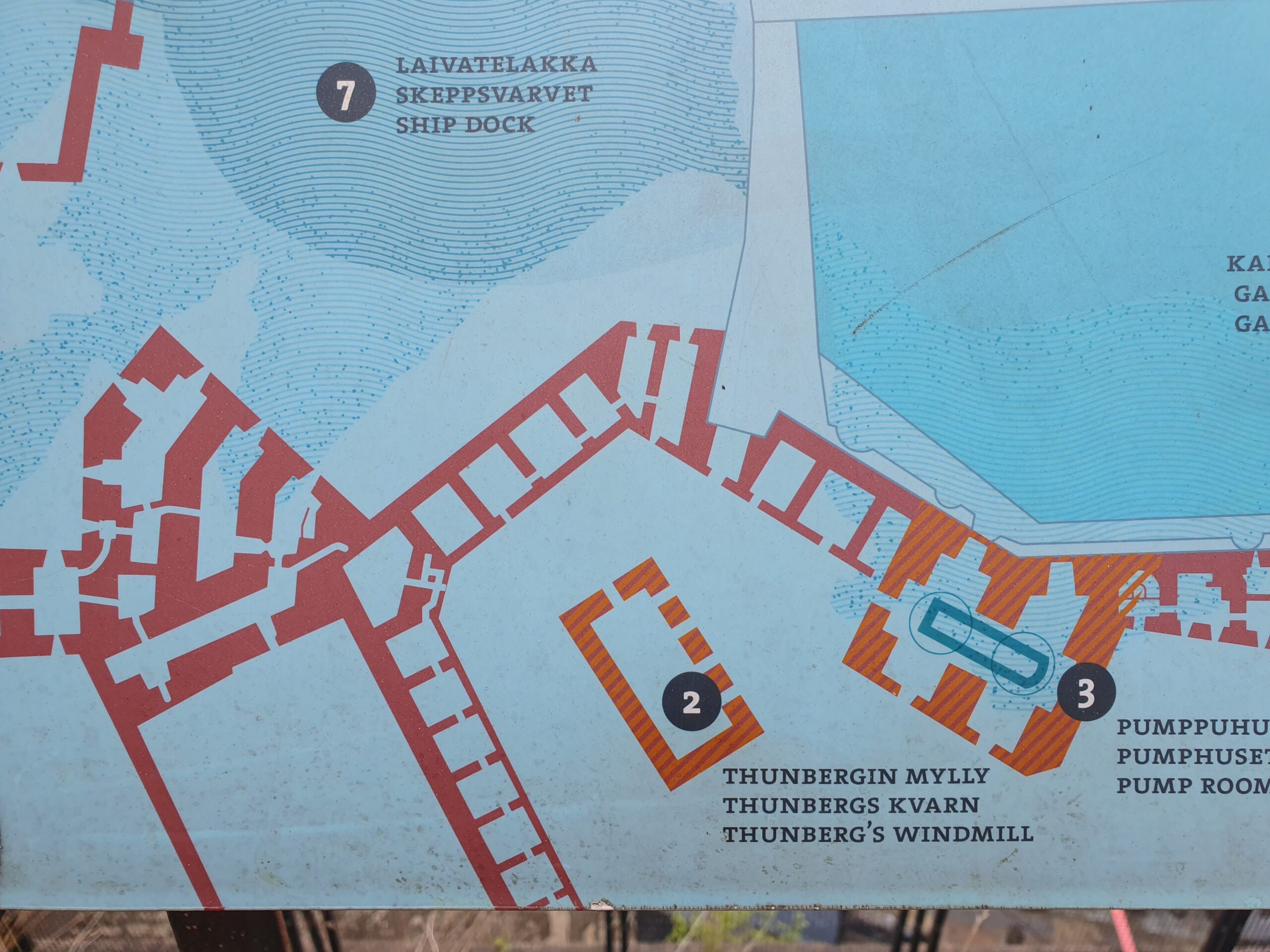
Finding the location of the windmill
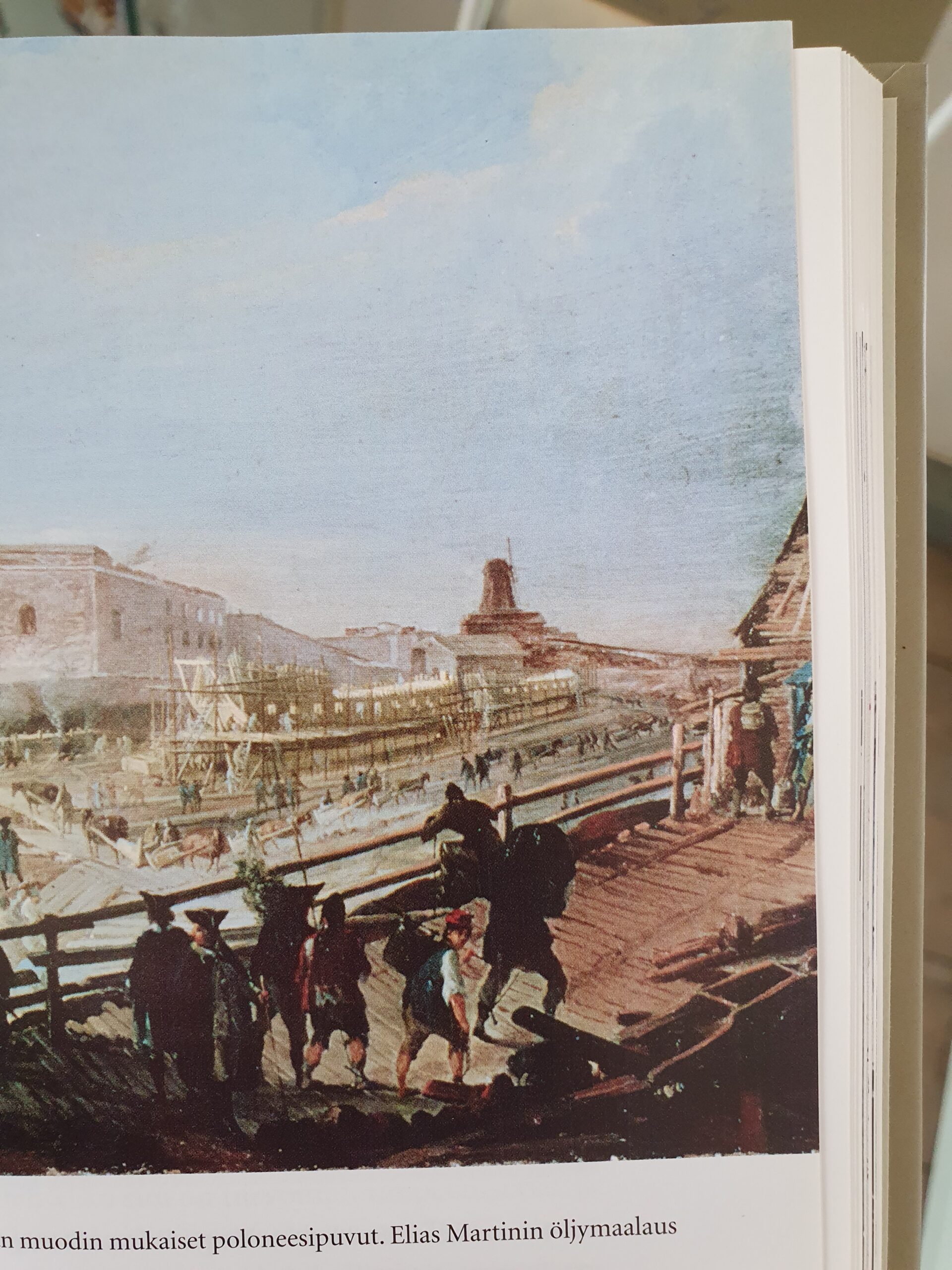
Studying how the windmill is depicted by the eyewitnesses
Location at Suomenlinna found beforehand, during the daytime during earlier visit to Suomenlinna, to estimate the size of the windmill and perspective of the landscape
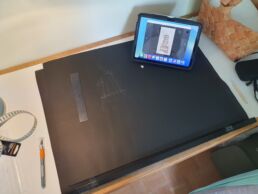
Visualisation of the windmill transferred to the paper for cutting out a stencil
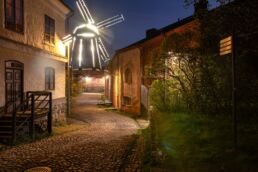
“Multitasking windmill”, 2026.
Light stencil photography. Digital photo, 5568 x 3712 px.
Final photo with Thunberg’s windmill in Suomenlinna – how it would have looked if it still existed today on its original spot. Gives observer a sense of scale and raises awareness about the engineering achievements of the past.
Planned photo example
Another photo to take in the future, which I have already researched, is the reconstructed view of the guardhouse with barrier gates and a drawbridge in Daugavpils Fortress. This will address two topics: demonstrating the sharing of ideas among the nations and countering speculations and urban legends about the actual purpose of the building.
Prussian military engineers proposed this drawbridge system, which was implemented at Daugavpils Fortress in the late 1820s or early 1830s. By the end of the 19th century, it was already dismantled and replaced by a continuous wooden bridge. Since the 1930s, the wooden bridge has been gone, and today the barrier gates resemble four brick pillars with a strange pit in front of them, isolated from everything around them by a moat with no clear function. This boosts speculations and theories among locals and guests about a hidden trap or entrance to underground tunnels. In fact, the pit in front of the gates was built to have space for the drawbridge’s counterweight.
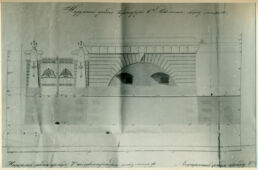
Copy of a technical drawing from 1829 of the guardhouse with decorative elements and a visible drawbridge cross-section. Source: Dundurs, R. u.c. Daugavpils cietoksnis. Vēsturiskās izpētes materiāli.
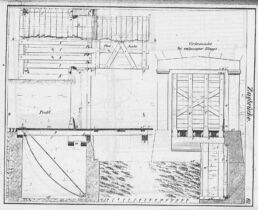
Copy of a technical drawing of a drawbridge system from a manuscript by a Prussian military engineer, Moritz von Prittwitz. Apparently, this system was implemented or at least inspired the drawbridges in Daugavpils Fortress.
Prittwitz knew and worked with Prussian Inspector General of all fortresses and Chief of the Corps of Engineers, Gustav von Rauch, and Russian Tsar Nicholas I, both of whom were in very good relations and both visited Daugavpils fortress.

Guardhouse with barrier gate and wooden bridge system leading to Mikhail Gate in 1923. Source: the Daugavpils Fortress Culture and Information Centre collection.
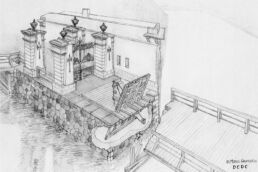
Pencil drawing of a reconstructed view of the guardhouse, barrier gates, drawbridge and decorative elements in Daugavpils Fortress
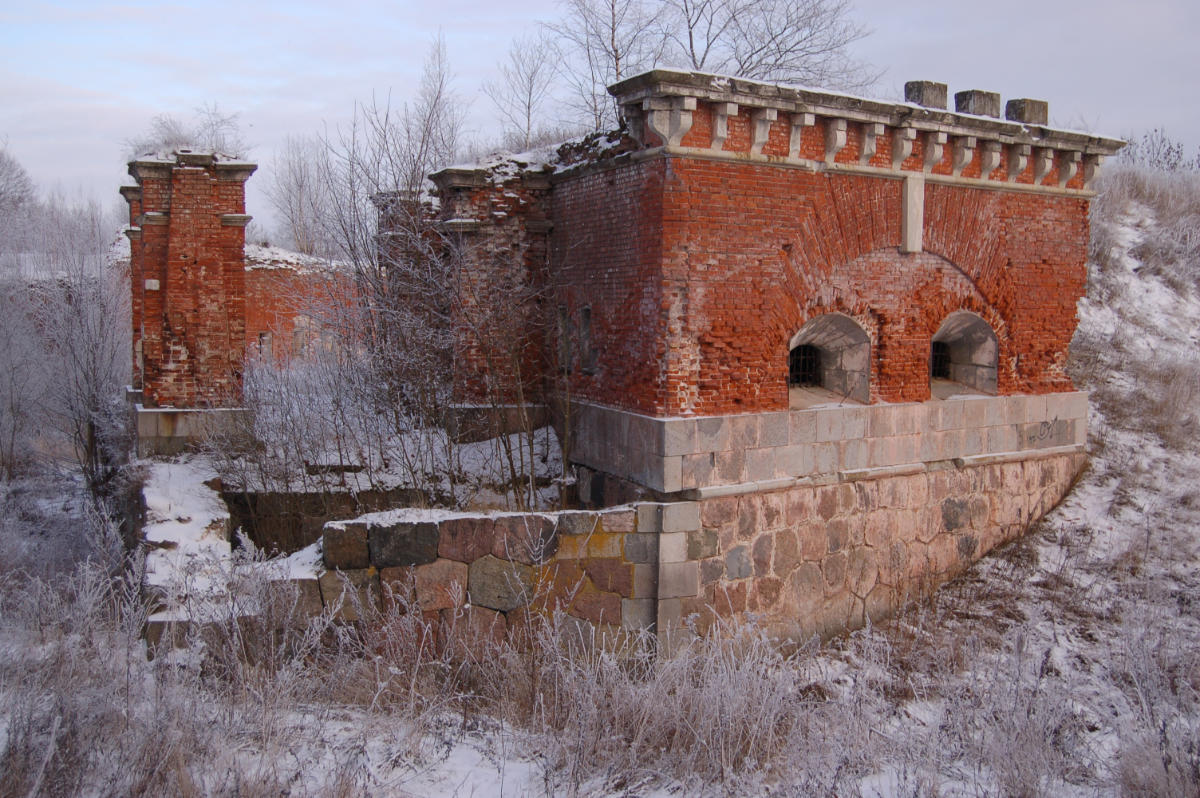
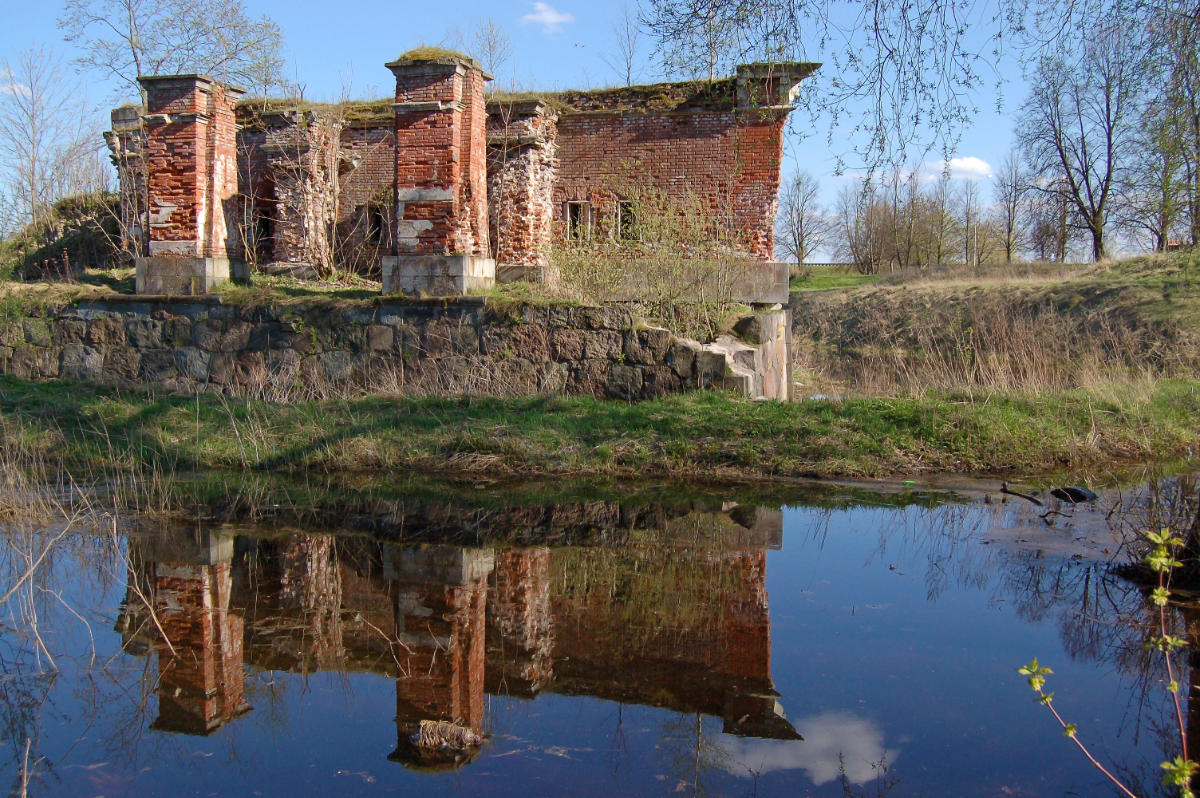
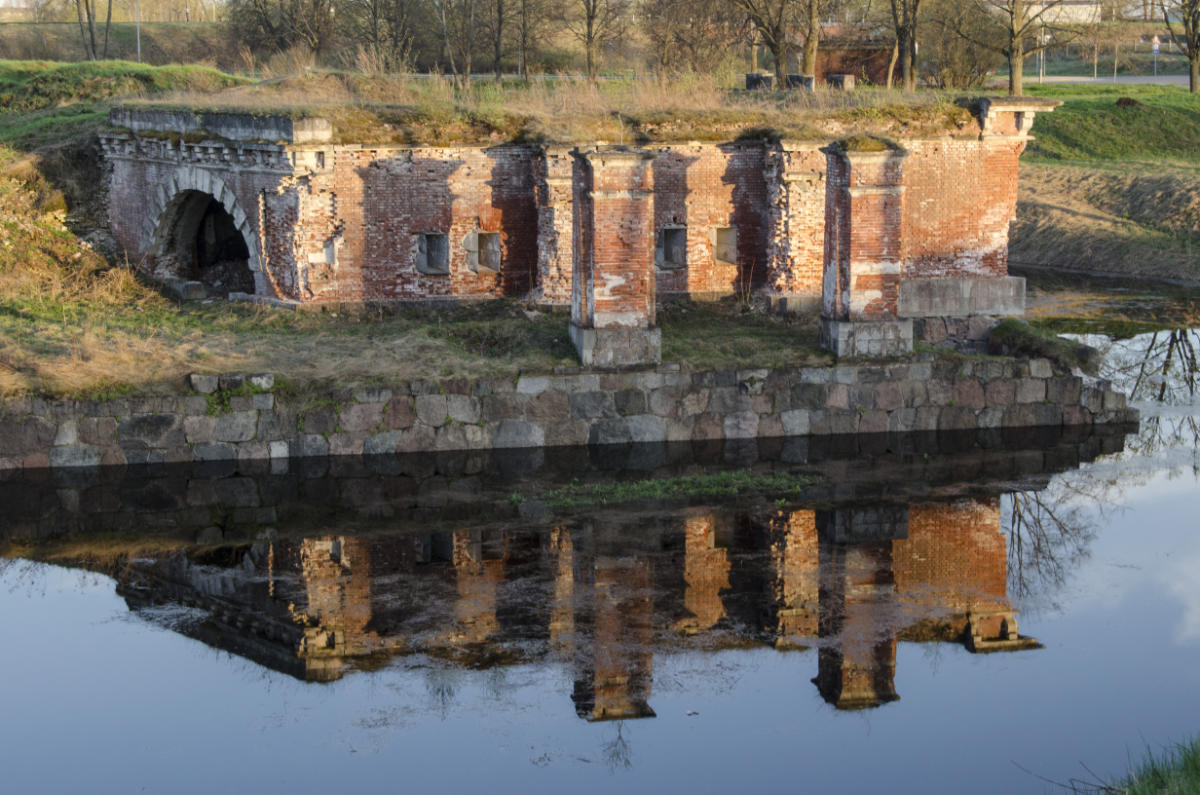
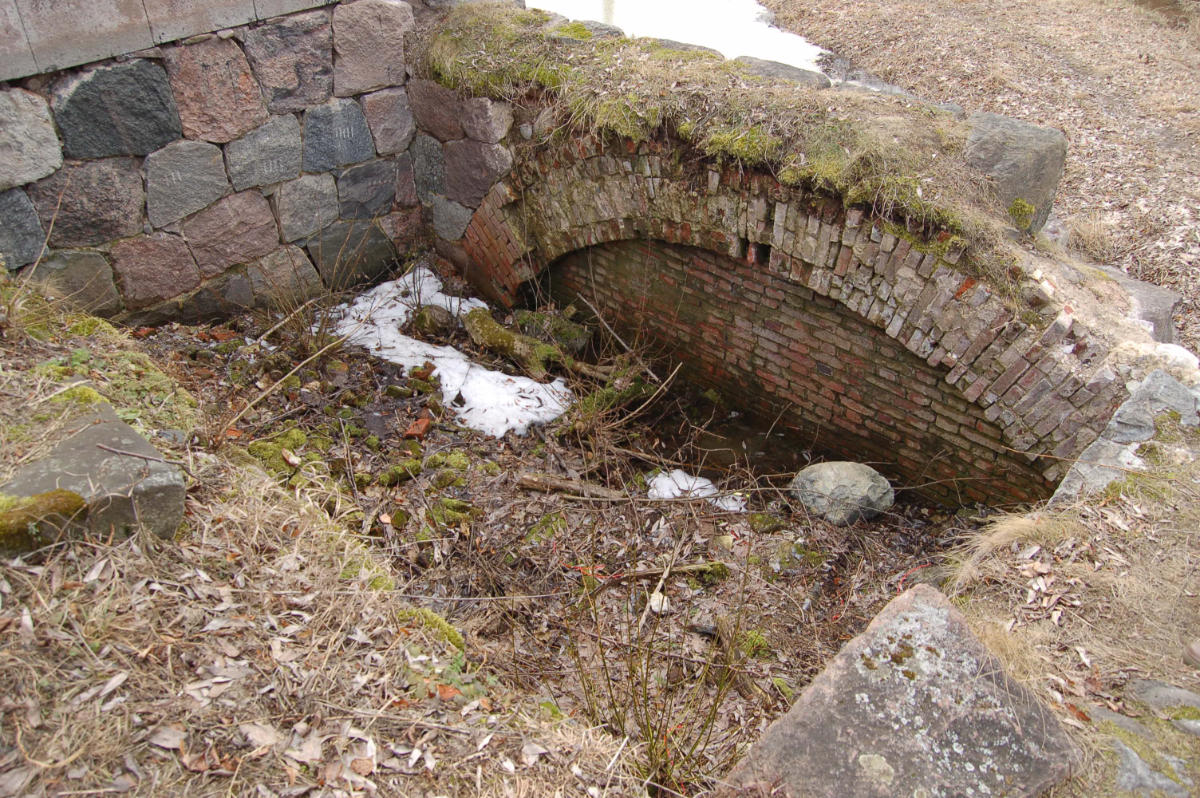
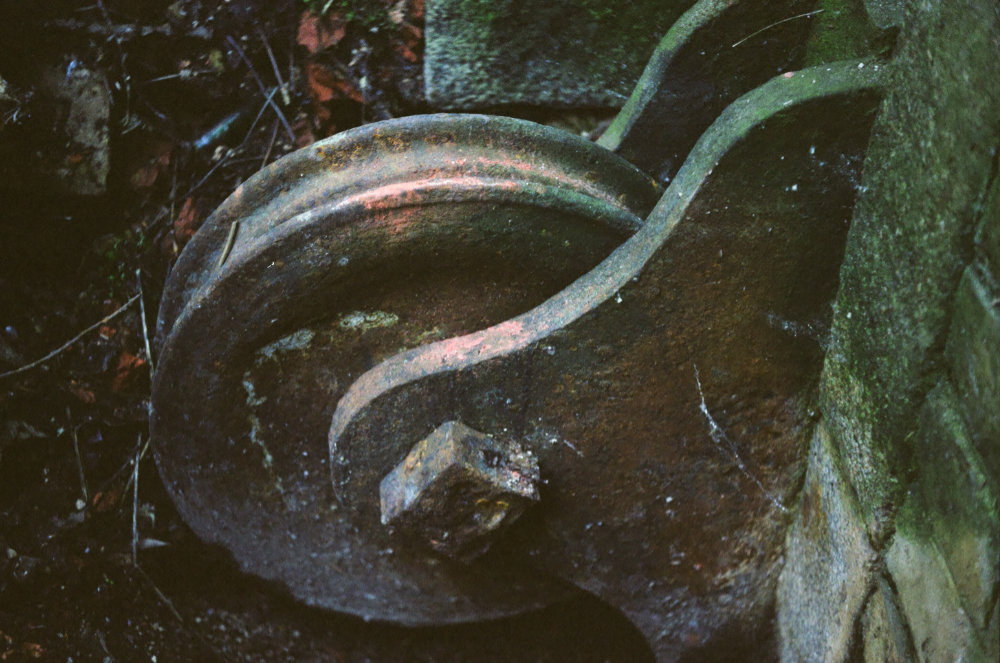
The guardhouse with barrier gate pillars and a pit for the drawbridge’s counterweight from various angles in recent years. The drawbridge, gates and decorative elements are missing. The cast-iron chain pulley was found at the bottom of the pit, similar to Prittwitz’s technical drawings
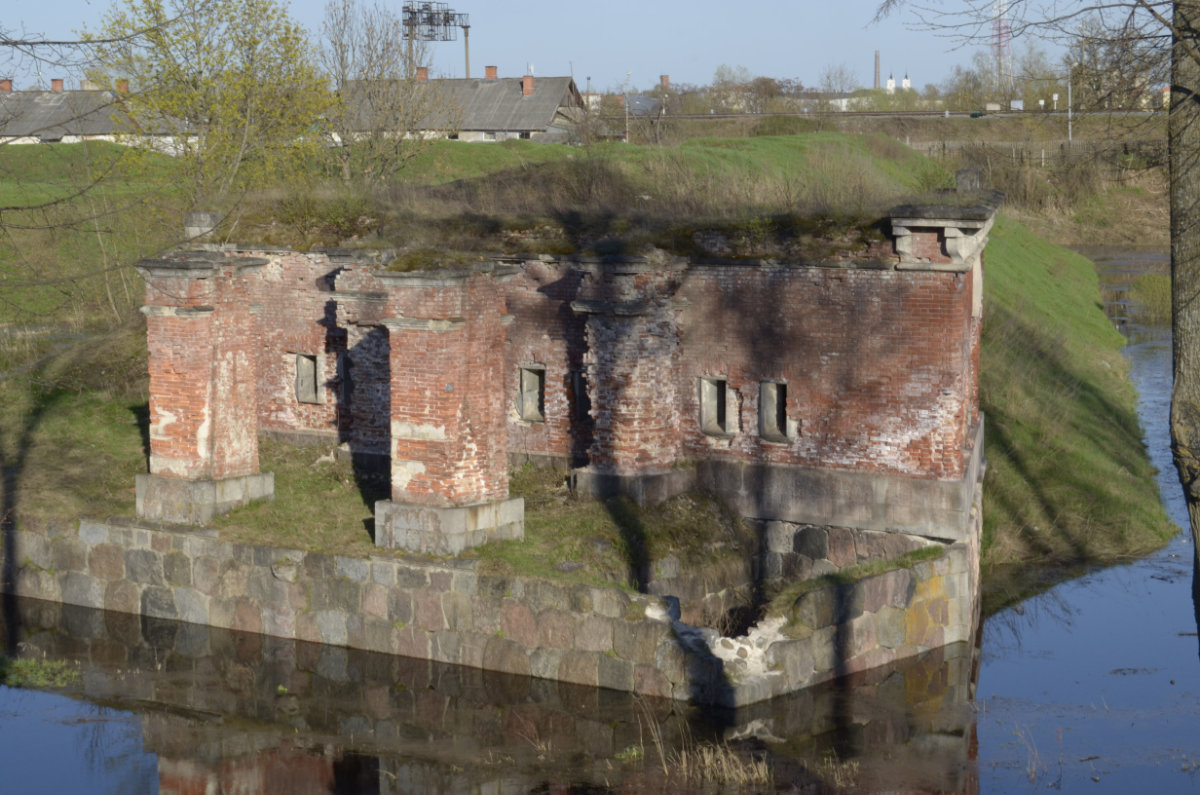
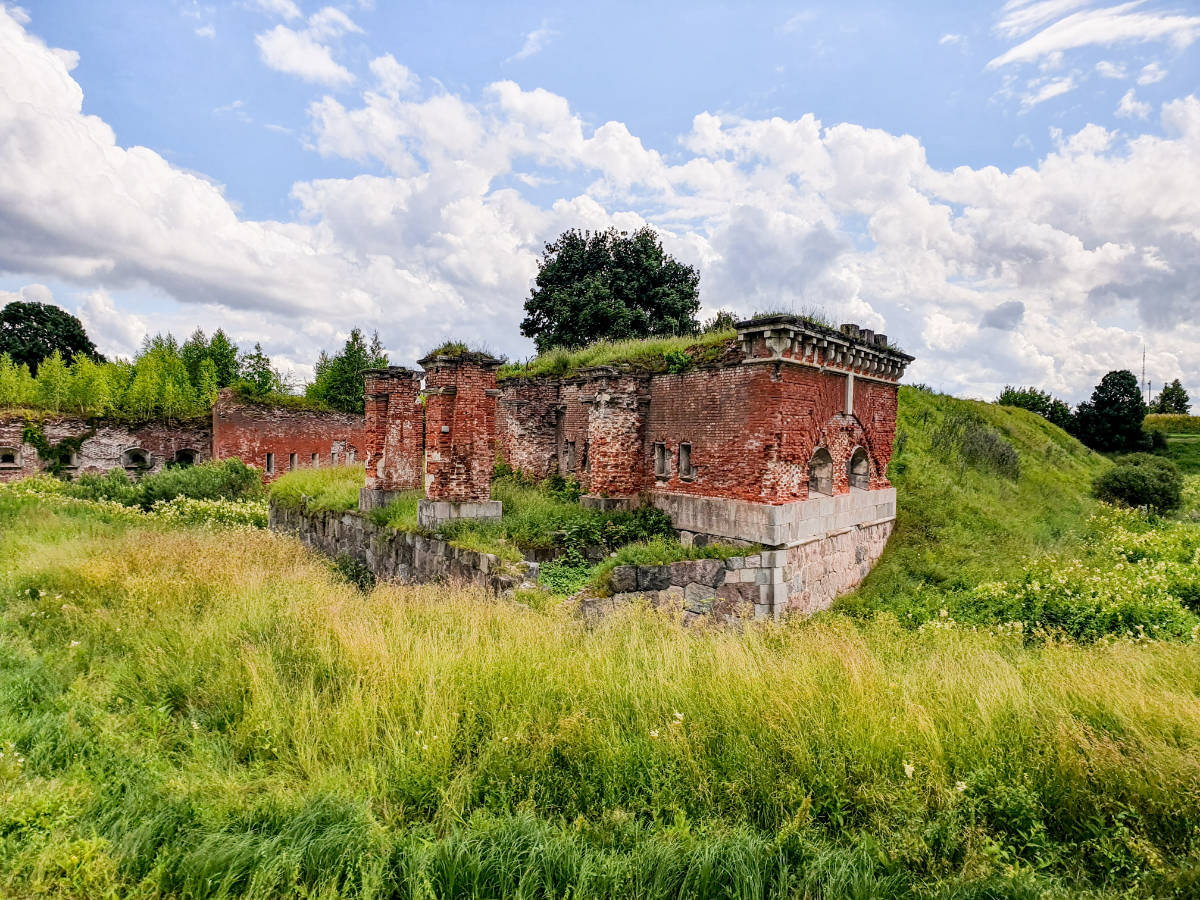
Potential reference photos for future light-painting photography
Timetable